DK monogram — Devendra Kumar

Enterprise Transformation Partner

Simplifying Complexity
Before Introducing Technology.

I help enterprise leadership teams align strategy, operating models, technology, AI and governance around measurable business outcomes.

  • 30+ Years
  • €200M+ Portfolios
  • 1,200+ Applications
  • 2,500+ Servers
  • 5 Continents
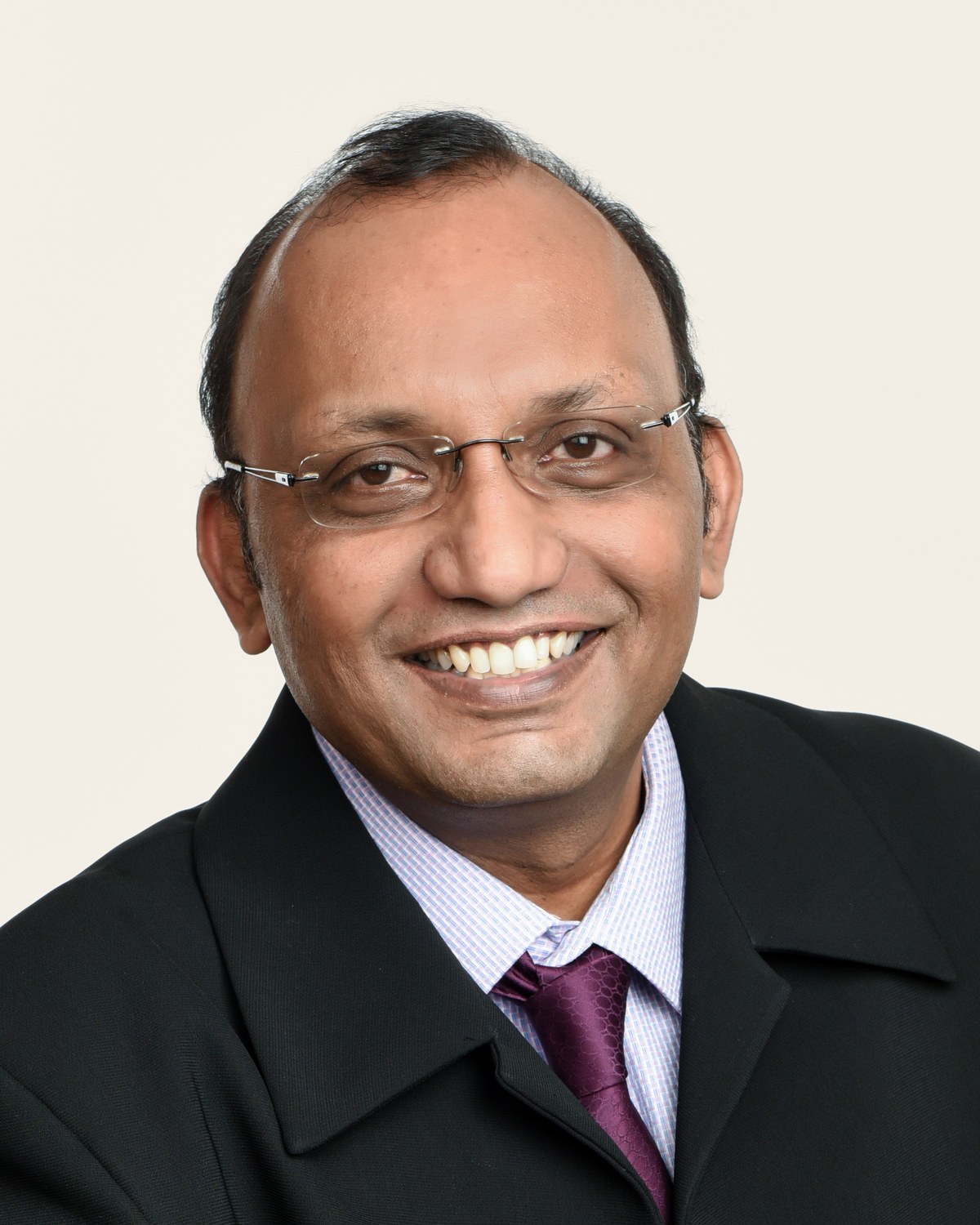
Devendra Kumar, Enterprise Transformation Partner

Devendra Kumar · Enterprise Transformation Partner

  1. 01

    Complexity

    Fragmented strategy, structures and technology.

  2. 02

    Simplification

    Sequence, ownership and decisions made explicit.

  3. 03

    Clarity

    Executive visibility of what changes and why.

  4. 04

    Value

    Measurable business outcomes, sustained.

Evidence

Transformation at enterprise scale

30+
Years of enterprise transformation experience
€200M+
Strategic transformation portfolios
1,200+
Business-critical applications
2,500+
Servers transformed
99%
Service reliability
50%
Cloud cost optimisation
5
Continents

Executive point of view

Transformation becomes difficult when the parts stop working together.

Enterprise transformation is a set of interconnected decisions. Each one constrains or unlocks the others.

Strategy01OperatingModel02Governance03Data04Technology& AI05People& Culture06BusinessOutcomes07

No single element operates independently.

Weakness in one area constrains the whole system.

Technology is one component of transformation. Leadership alignment, operating discipline, governance and measurable outcomes determine whether technology creates sustainable value.

Signature principle

Simplify first.
Automate second.

Before technology is selected or AI is deployed, simplify the enterprise.

  1. 01

    Simplify the strategy.

  2. 02

    Simplify the operating model.

  3. 03

    Simplify governance.

  4. 04

    Simplify the data architecture.

Technology applied to complexity creates more complexity. Technology should amplify a well-designed enterprise, not compensate for structural complexity.

Proprietary framework

The Enterprise Transformation Framework™

A leadership system for sustainable business transformation.

ETF™ defines what needs to change.

Layer 01

Vision

The shared destination.

Create a clear future state that aligns leadership and investment.

The sequence is intentional. Technology & AI is layer 07, not layer 01.

Proprietary framework

The Executive Operating System™

A leadership control loop for sustainable business value.

At the centre

Sustainable Business Value

Capability 01

Lead

Provide direction and intent.

The seven capabilities operate as one continuous control loop. Every cycle returns to sustainable business value.

ETF™

What needs to change

EOS™

How leaders operate the change

Proprietary relationship

Two Systems.
One Transformation Agenda.

01

ETF™

WHAT NEEDS TO CHANGE

Transformation architecture

02

EOS™

HOW LEADERS OPERATE THE CHANGE

Executive control system

03

BUSINESS OUTCOMES

WHY IT MATTERS

Measurable enterprise value

ETF™ provides the transformation architecture. EOS™ provides the executive control system. Together they connect transformation design with leadership execution and measurable business value.

When to engage

When transformation decisions matter

Bring an independent perspective on transformation when the stakes are high, and the path forward is unclear.

  1. 01

    The strategy is clear.
    Execution isn't.

  2. 02

    The operating model
    no longer supports the strategy.

  3. 03

    AI investment is growing
    faster than business value.

  4. 04

    Governance produces reports
    instead of decisions.

  5. 05

    A major transformation programme
    is losing control.

  6. 06

    Service economics
    are deteriorating.

  • Independent perspective.
  • Executive experience.
  • Outcome-focused intervention.

Signature points of view

Signature points of view

Outcomes before activity.

01 / 05

A framework without a leadership system is a document.

Devendra Kumar

Enterprise Transformation Partner

Executive assessment

What is your transformation ceiling?

Nine questions. Five minutes. One executive view of where transformation is constrained.

  • Nine dimensions

    One for each layer of the framework, scored 1 to 5.

  • Your transformation ceiling

    The lowest-scoring layer is named directly.

  • No account required

    Nothing is stored. The result is yours to take into the boardroom.

Executive tool

Four questions every transformation board should ask

01

Portfolio Alignment

Is our transformation portfolio aligned to a declared strategy?

02

Outcome Measurement

Are we measuring business outcomes or project activity?

03

Data Foundation

Would we trust our enterprise data for a major strategic decision?

04

Cultural Readiness

Is our organisation ready to absorb and sustain the change?

Who calls me

Who calls me

When transformation decisions carry significant business, technology or operating risk, leadership teams need an experienced independent perspective.

  1. CEO·

    When transformation investment is not producing the expected business value.

  2. CIO·

    When technology modernisation has become disconnected from business priorities.

  3. CDO·

    When digital and AI initiatives need enterprise-wide alignment and execution.

  4. COO·

    When the operating model is constraining performance or transformation.

  5. Transformation Leader·

    When a complex programme needs independent direction, governance or recovery.

Have a transformation decision to make?

Let's discuss the problem before discussing the technology.

Business Value

ComplexitySimplificationClarity